

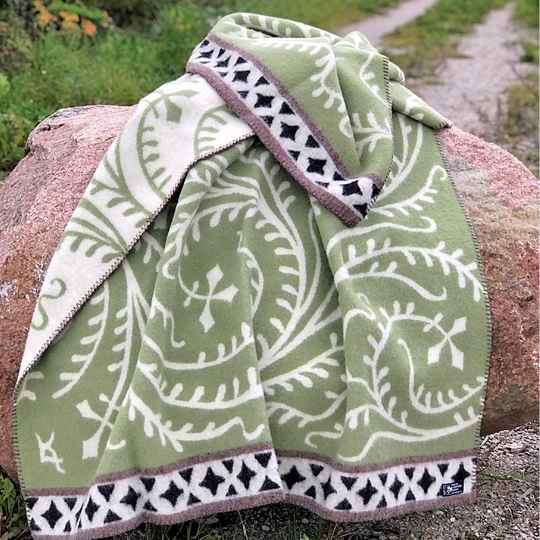
How To Care For A Wool Throw
How to Care for a Wool Throw or Blanket
A considered, low-intervention approach
At Country Mouse, we’re often asked how to wash a wool throw or blanket, and the answer is usually more straightforward than people expect.
Wool doesn’t behave like synthetic fibres. It doesn’t need frequent washing, it doesn’t hold odour in the same way, and it responds best to a gentler, more considered approach. In fact, modern wool care is moving firmly towards less washing, not more.
This guide explains how to care for your wool throw properly — with an emphasis on airing, spot cleaning, and preserving the natural character of the fibre.
Wool is naturally low-maintenance.
Wool is a breathable, self-regulating fibre. The natural oils present in wool, known as lanolin, help repel dirt and inhibit odour-causing bacteria. This means wool stays fresh for far longer than most people expect.
Unlike synthetic fibres, which absorb smells and require regular washing, wool is designed to be cared for lightly. A good wool throw should be aired often and washed rarely.
This is not neglect, it’s respect for the fibre.
The rise of “no-wash” wool
There is a growing movement towards no-wash or low-wash wool care, particularly for throws and blankets.
Rather than frequent laundering, wool responds best to:
-
Fresh air
-
Gentle handling
-
Occasional spot cleaning
For everyday use on a sofa or bed, this approach keeps wool looking better for longer and significantly extends its lifespan.
Airing your wool throw (the most important step)
Airing is the foundation of wool care.
If your wool throw needs freshening:
-
Shake it gently
-
Hang it outside on a dry, breezy day.
-
Or drape it over a bannister or rail indoors near an open window
Wool fibres naturally release absorbed moisture and odour when exposed to air. Often, this is all that’s needed.
Spot cleaning spills and marks
If something is spilt on your wool throw, there’s no need to panic.
Wool’s natural oils cause liquids to bead on the surface rather than soak in immediately.
What to do:
-
Blot gently with a clean, damp cloth.
-
Use plain water or a very mild wool-safe solution if needed.
-
Do not rub or scrub
-
Allow the area to dry naturally.
Avoid putting the entire throw in the wash for small spills — spot cleaning is usually sufficient.
Washing a wool throw: when it’s truly necessary
Wool throws rarely need full washing. When they do, the correct method depends on the type of wool.
Merino wool throws & Gotland wool throws
These fibres are finer and more characterful, and we recommend:
-
Dry clean only
-
Or professional specialist cleaning
This preserves the structure, softness, and natural finish of the wool.
Other wool throws
Some wool throws can be washed at home only if clearly stated on the care label.
If machine washing is permitted:
-
Use a wool or delicate cycle.
-
20°C or cooler
-
Slow spin only
-
Wool-safe detergent
-
Never use biological detergent, bleach, or fabric softener
Temperature changes and agitation are the main causes of shrinkage; cool, steady conditions are essential.
Hand washing (occasional and gentle)
If hand washing is recommended:
-
Use lukewarm water
-
Add a small amount of wool detergent.
-
Submerge and gently press the water through the fibres
-
Do not rub, scrub, or wring
-
Roll in a towel to remove excess water
Wool is heavier when wet and should always be handled with care.
Drying your wool throw
Never tumble dry a wool throw.
Instead:
-
Dry flat on a towel
-
Or fold over a rail or drying rack.
-
Keep away from direct heat.
Wool dries surprisingly quickly when treated gently.
What to avoid
To protect your wool throw:
-
No bleach
-
No biological detergents
-
No fabric softeners
-
No tumble drying
-
No aggressive washing
These strip the wool of its natural oils, shortening its life.
A slower way to care for wool
Caring for a wool throw is not about effort — it’s about intention.
Airing instead of washing.
Spot cleaning instead of overwashing.
Allowing the fibre to do what it naturally does best.
When treated this way, a quality wool throw will soften beautifully over time and remain part of your home for many years.
-
Wool throws do not need frequent washing.
-
Airing is often all that’s required
-
Spot clean spills gently
-
Merino and Gotland wool throws should be dry cleaned
-
Avoid harsh detergents and heat
-
Care lightly, and your throw will last a very long time






Leave a comment