

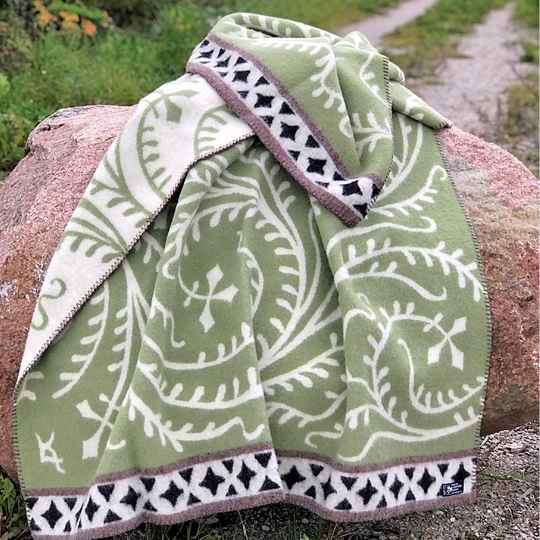
Are Wool Throws Soft?
What Lambswool, Gotland and Recycled Wool Really Feel Like
If you’re buying a wool throw online, there’s one thing photographs can’t really tell you: what will it actually feel like?
It’s a question I’m asked often, and understandably so. We’ve become very used to blankets made from fleece, polyester and other synthetic fibres that feel extremely soft and fluffy from the moment you touch them. Real wool feels different.
That doesn’t mean a wool throw isn’t soft. Some wools are beautifully soft. But natural wool has texture, structure and character, and different types of wool can feel surprisingly different from one another.
After years of handling and selling wool throws, I can usually tell very quickly how a blanket is going to feel and behave. Lambswool, Gotland wool, recycled merino and Yorkshire recycled wool each have their own distinctive handle, weight and drape.
So, if softness matters to you, here’s what I would want you to know before choosing your throw.
Is wool actually soft?
Yes, wool can be very soft, but there isn’t one universal ‘wool feel’.
The breed of sheep, fineness and length of the fibres, the way the wool is spun and how the finished cloth is woven and finished all affect the way a wool blanket feels.
That’s why one wool throw might feel light, smooth and drapey while another feels thicker, firmer and more textured.
It’s also why comparing wool directly with synthetic fleece can be misleading. Fleece is manufactured to create an immediately fluffy, uniform surface. With wool, you can feel more of the natural fibre and the weave, even in a beautifully soft wool blanket.
For me, that’s part of its appeal.
What does lambswool feel like?
Lambswool is a very good starting point if you want the warmth and character of wool, but softness is important to you.
The Klippan lambswool throws I stock are soft, but they also have body and structure. They aren’t thin or overly fluffy. Pick one up, and you can feel that you’re holding a substantial woven textile, while it remains comfortable and soft to use.
Lambswool comes from a sheep’s first shearing, giving it particularly fine fibres. This contributes to its softer handle.
Our Klippan lambswool throws are also thicker than our recycled merino throws, so there is a reassuring weight and substance to them without the blanket feeling particularly heavy.
If you’re buying your first wool throw and aren’t sure which fibre to choose, lambswool is often the one I recommend.
I've also explained the difference between lambswool and pure new wool in more detail here.

Klippan lambswool has a soft handle and more body and structure than lighter merino.
What about brushed lambswool?
Some lambswool throws are brushed as part of the finishing process. Brushing lifts the surface fibres, creating a softer, slightly fluffier handle.
It means two blankets made from lambswool can feel noticeably different.
The fibre itself is only part of the story. The weave and the way a blanket is finished matter too.
Is merino wool softer than lambswool?
If your priority is softness and a lighter feel, recycled merino is where I would direct you first.
Our Klippan Hugo throws are woven from 75% recycled merino wool and 25% merino lambswool. They feel lighter and more fluid than our standard Klippan lambswool throws, with a softer drape and less of the structured feel you get from a thicker lambswool blanket.
Merino fibres are particularly fine, which contributes to that smoother handle.
For someone who loves wool but doesn’t want a thick blanket, or who is particularly sensitive to texture, Hugo can be an excellent choice.
It’s still wool, though, and I think that’s important to say.
If your idea of softness is the completely smooth, plush feel of a synthetic blanket, even a fine merino throw will feel different. What you’re getting instead is a natural fibre with its own character, together with the warmth and breathability that make wool so lovely to live with.
What does Gotland wool feel like?
Gotland is one of the most interesting wools in the Country Mouse collection.
It comes from Gotland sheep, a Swedish breed known for its distinctive grey fleece and long, lustrous fibres. Those fibres give Gotland wool its characteristic appearance and handle.
Our Gotland wool throws feel different from both lambswool and merino.
There’s more character to the fibre, with a distinctive wool texture and a more substantial feel. It isn’t fluffy in the way some lambswool can be, nor does it have the light drape of merino.
The longer fibres also give the finished cloth wonderful depth, particularly when different colours are woven together.
I wouldn’t automatically recommend Gotland to somebody whose only requirement is ‘the softest blanket possible’. I’d recommend it to someone who loves the feel of real wool and wants warmth, texture and something a little more distinctive.
That’s one of the reasons I love Gotland wool so much. It doesn’t try to feel like anything else.

Warm, substantial and full of character. Our Klippan gotland wool throws have a distinctive texture that sets it apart from lambswool and merino.
What do Yorkshire recycled wool throws feel like?
Our Yorkshire recycled wool throws sit at the more textured end of the Country Mouse collection.
They’re woven in Yorkshire using redundant and excess long yarns from mills in England and Scotland. Rather than perfectly good wool yarn going to waste, colours are brought together in small runs to create new throws.
The result is a blanket with a more traditional wool handle, rather like the character you might associate with Shetland wool. However, some are softer than others, and I do try and include this detail in my product descriptions.
They feel warm, substantial and robust rather than silky or fluffy.
For some people, that tactile quality is exactly what they want from wool. For others, particularly anyone who is very sensitive to texture against their skin, lambswool or recycled merino is likely to be the better choice.
That’s why I don’t think ‘Which wool is best?’ is a particularly useful question.
It’s much more about which wool feels right to you.
Which wool throw should I choose if softness matters?
Here’s the simplest way I can describe the differences:
| If you want… | I would look at… |
|---|---|
| The softest, lightest feel | Recycled merino |
| Softness with more thickness and body | Lambswool |
| Warmth, character and a distinctive wool feel | Gotland wool |
| A traditional, more textured wool handle | Yorkshire recycled wool |
There are variations within each collection, of course, but this is a useful place to start.
If you'd like to compare warmth as well as softness, read my guide to which wool blankets are the softest and warmest.
Will a wool throw soften with use?
Wool is a natural fibre, and it changes subtly as you live with it.
A good wool throw can become more relaxed with use, and the surface can soften as the fibres settle. That doesn’t mean a more textured wool will eventually feel like merino, though. The fundamental character of the fibre remains.
I think it’s better to choose a wool whose natural handle you like from the beginning rather than buying a more textured throw in the hope that it will eventually feel completely different.
It’s also normal for a new wool blanket to shed a little or develop some surface pilling as loose fibres work their way out. This isn’t a sign of poor-quality wool, and gentle care will help your throw settle with use.
Why doesn’t real wool feel like fleece?
This is perhaps the most important distinction.
Synthetic fleece is designed to feel consistently smooth and fluffy. Wool isn’t.
Wool fibres have natural variation, and when they’re woven into a blanket, you retain some of that character. It’s what gives a wool throw its texture and structure, but it’s also part of what makes wool such an interesting material to live with.
Wool is naturally breathable and temperature regulating. It provides warmth without simply trapping heat and, with the right care, a good wool throw can last for many years.
That longevity matters to me.
I don’t choose throws for Country Mouse because they feel impressive for five minutes in a shop. I’m much more interested in how the wool has been produced, how the blanket has been woven and whether it’s something you’ll still want to use years from now.
So, are wool throws soft?
Yes, but softness in wool is different from synthetic softness.
If you want something particularly soft and lightweight, I’d start with recycled merino. If you like softness but want a thicker, more substantial throw, look at lambswool. Gotland offers more character and distinctive texture, while Yorkshire recycled wool has the most traditional wool feel of the four.
None is inherently better than another.
After years of selling wool throws, I’ve found that the happiest customers aren’t necessarily the ones who buy the ‘softest’ wool. They’re the ones who choose the type of wool that suits the way they want their blanket to feel.
And when you’re choosing something you hope to keep for many years, that’s a distinction worth understanding.



Leave a comment